By utilizing nanobubbles, our systems infiltrate microscopic crevices and dense biological matrices that traditional liquid treatments simply cannot reach. These bubbles possess a unique negative surface charge and high internal pressure, allowing them to remain stable in solution for extended periods and provide a continuous, uniform cleaning effect. When infused with ozone (O₃), they create a high oxidative potential that destroys bacteria and viruses at the cellular level without leaving toxic chemical residues.
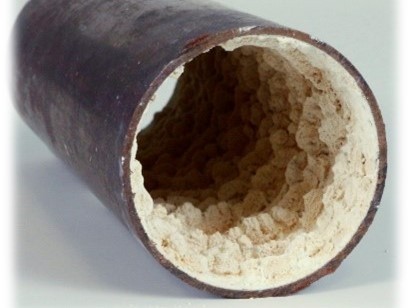
For industrial food processing and high-traffic hygiene environments, the impact is transformative. Facilities implementing nanobubble-infused wash systems have seen shelf-life extensions of up to 30% and a 40% reduction in surface pathogens like E. coli and Salmonella. In clinical and dental settings, this technology has achieved a 75% reduction in surface contamination, offering a non-toxic alternative that protects both staff and equipment from chemical sensitivity. The physical process of micro-cavitation, where bubbles collapse to release micro-jets of energy, dislodges stubborn scaling and prevents mineral buildup in pipelines and tanks. This allows facilities to operate with fewer rinsing cycles, leading to substantial energy savings while extending the operational lifespan of high-value machinery.
In high-precision environments like CNC machining, nanobubbles act as a transformative cooling and lubrication agent by creating a more uniform lubrication film and significantly enhancing coolant heat absorption. This molecular-level thermal regulation leads to a 20% improvement in heat transfer efficiency and a 30% increase in tool life, while simultaneously reducing overall coolant consumption by 25%.
By utilizing nanobubbles, our systems infiltrate microscopic crevices and dense biological matrices that traditional liquid treatments simply cannot reach. These bubbles possess a unique negative surface charge and high internal pressure, allowing them to remain stable in solution for extended periods and provide a continuous, uniform cleaning effect. When infused with ozone (O₃), they create a high oxidative potential that destroys bacteria and viruses at the cellular level without leaving toxic chemical residues.
For industrial food processing and high-traffic hygiene environments, the impact is transformative. Facilities implementing nanobubble-infused wash systems have seen shelf-life extensions of up to 30% and a 40% reduction in surface pathogens like E. coli and Salmonella. In clinical and dental settings, this technology has achieved a 75% reduction in surface contamination, offering a non-toxic alternative that protects both staff and equipment from chemical sensitivity. The physical process of micro-cavitation, where bubbles collapse to release micro-jets of energy, dislodges stubborn scaling and prevents mineral buildup in pipelines and tanks. This allows facilities to operate with fewer rinsing cycles, leading to substantial energy savings while extending the operational lifespan of high-value machinery.
In high-precision environments like CNC machining, nanobubbles act as a transformative cooling and lubrication agent by creating a more uniform lubrication film and significantly enhancing coolant heat absorption. This molecular-level thermal regulation leads to a 20% improvement in heat transfer efficiency and a 30% increase in tool life, while simultaneously reducing overall coolant consumption by 25%.