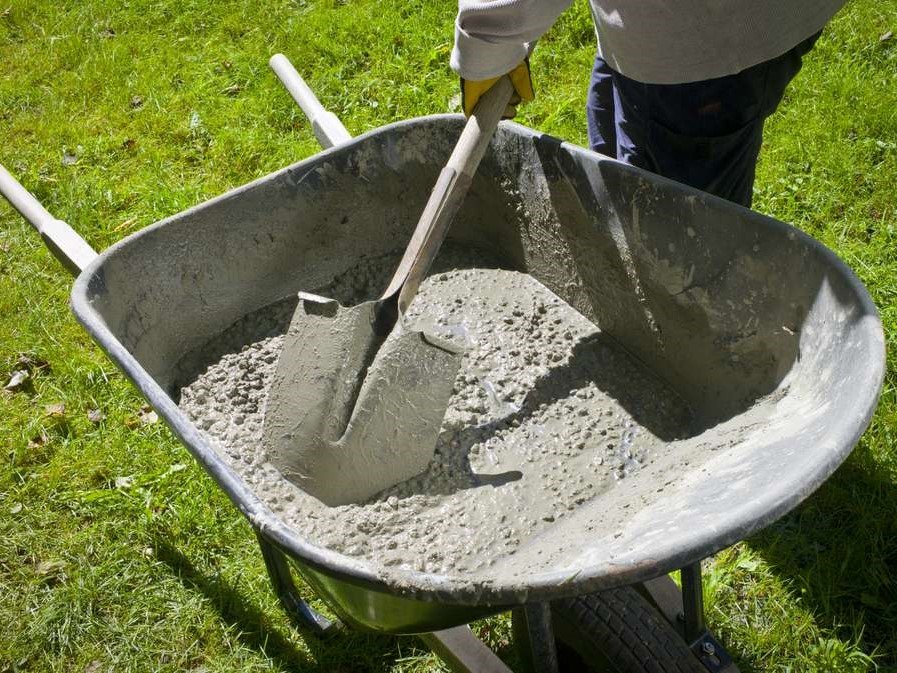
Viathan Water is transforming infrastructure development by optimizing concrete chemical reactions at the molecular level. By ensuring a more complete and even distribution of water, our nanobubbles facilitate superior cement hydration, resulting in denser concrete with 16% to 31% higher compressive strength and up to 50% faster setting times. For large-scale projects like high-rise buildings, bridges, and dams, this technology significantly accelerates construction schedules while ensuring high-performance structural integrity and reduced micro-void formation.
The integration of nanobubbles also provides a sustainable solution to long-term maintenance and environmental impact. Our process creates a less permeable matrix that protects against saltwater corrosion and freeze-thaw cycles, making it ideal for marine and coastal structures. By increasing the material’s strength, developers can achieve the same performance with less cement, directly lowering project carbon emissions and material costs. Furthermore, the reduction in porosity, by approximately 17%, enhances overall longevity and reduces the maintenance lifecycle, providing a high-ROI solution for resilient, modern infrastructure.
Viathan Water is transforming infrastructure development by optimizing concrete chemical reactions at the molecular level. By ensuring a more complete and even distribution of water, our nanobubbles facilitate superior cement hydration, resulting in denser concrete with 16% to 31% higher compressive strength and up to 50% faster setting times. For large-scale projects like high-rise buildings, bridges, and dams, this technology significantly accelerates construction schedules while ensuring high-performance structural integrity and reduced micro-void formation.
The integration of nanobubbles also provides a sustainable solution to long-term maintenance and environmental impact. Our process creates a less permeable matrix that protects against saltwater corrosion and freeze-thaw cycles, making it ideal for marine and coastal structures. By increasing the material’s strength, developers can achieve the same performance with less cement, directly lowering project carbon emissions and material costs. Furthermore, the reduction in porosity, by approximately 17%, enhances overall longevity and reduces the maintenance lifecycle, providing a high-ROI solution for resilient, modern infrastructure.